Sentier
Frangokastello to Chora Sfakion Hike: Coastal Trails, Ferries & the Journey to Paleochora
La Canée
Ce guide est publié dans son texte anglais d’origine. Les autres langues affichent le même texte jusqu’à ce qu’une traduction soit ajoutée dans l’administration.
From Frangokastello to Chora Sfakion – A Coastal Journey That Continues All the Way to Paleochora
The Frangokastello to Chora Sfakion hike is one of the most scenic and rewarding routes along Crete’s southern coastline. What begins as a peaceful coastal walk soon transforms into a full‑day adventure that includes hiking, ferry crossings, and the chance to experience three iconic destinations in one journey: Frangokastello, Chora Sfakion, and Paleochora.
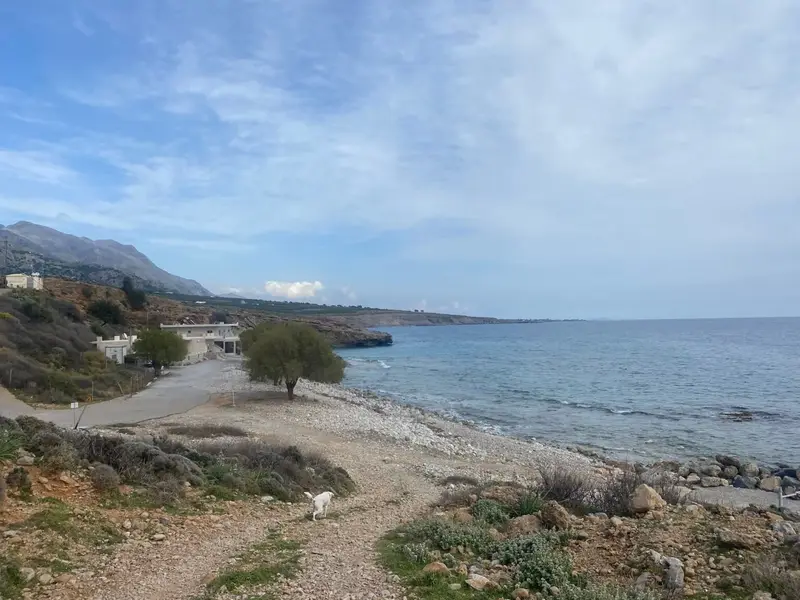
Our day began at the historic Venetian fortress of Frangokastello, a landmark known for its 14th‑century architecture and the legendary “Drosoulites” — the mysterious shadow figures said to appear at dawn. Leaving the castle behind, we followed the coastal path eastward, walking along the Libyan Sea with its deep blue waters stretching endlessly beside us.
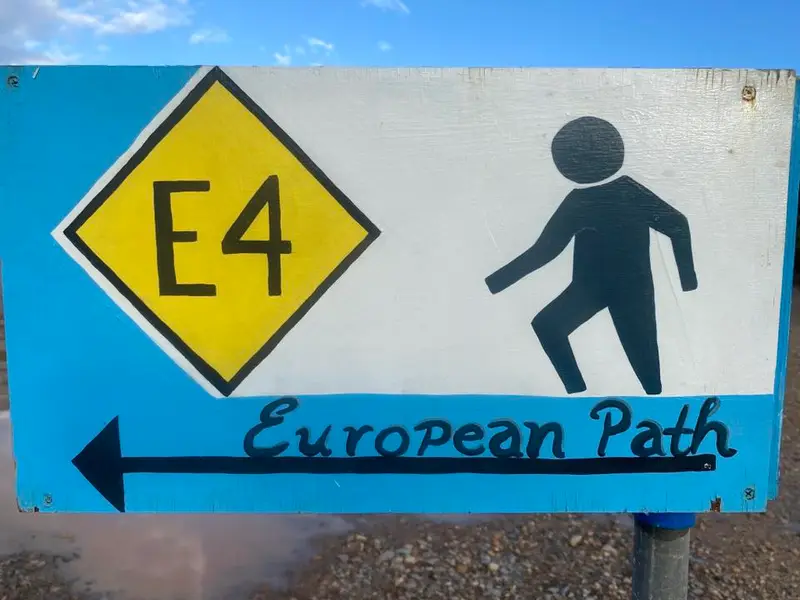
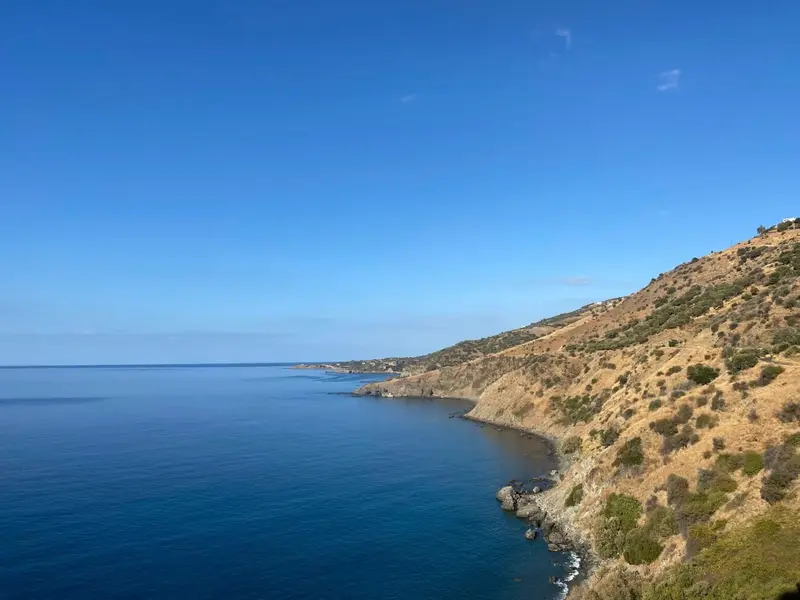
The trail from Frangokastello to Chora Sfakion takes around 3–4 hours and offers a mix of easy paths and slightly rocky sections. The scenery is spectacular: rugged cliffs, quiet coves, and the wild beauty that defines Crete’s southern coast. The route feels remote yet comforting, with the sea always in view and the mountains rising dramatically on the inland side.
As we approached Chora Sfakion, the landscape softened, revealing the whitewashed houses of the village. Known for its resilience, history, and strong Cretan identity, Chora Sfakion is a place where tradition is still alive. Arriving there felt rewarding — the village’s tavernas and cafés are perfect for a break, offering shade, good food, and a warm welcome.
After resting, we boarded the ferry to Agia Roumeli, the small village located at the exit of the famous Samaria Gorge. The ferry ride was refreshing, with the Libyan Sea shimmering under the sun and the coastline unfolding like a natural masterpiece. Agia Roumeli is peaceful and remote, accessible only by boat or by hiking through the gorge, which gives it a unique atmosphere.
From Agia Roumeli, we changed ferries and continued westward toward Paleochora, one of the liveliest seaside towns in southwest Crete. The journey by sea felt like opening a new chapter — each stop revealing a different face of the island. Paleochora welcomed us with its vibrant waterfront, long beaches, and relaxed atmosphere, making it the perfect place to end the day.
Practical Information
Duration
- Hike: 3–4 hours from Frangokastello to Chora Sfakion
- Total travel time: Depends on ferry schedules
Difficulty
Easy to moderate — mostly coastal paths with some rocky sections.
Best Season
- Spring — mild temperatures, blooming nature
- Autumn — stable weather and fewer crowds
Transport
Ferries connect:
- Chora Sfakion → Agia Roumeli
- Agia Roumeli → Paleochora
Always check schedules in advance, as weather and sea conditions may affect departures.
Personal Experience
Arriving in Chora Sfakion felt like reaching a milestone. The village’s tavernas, shaded terraces, and calm atmosphere were exactly what we needed after the coastal hike. The ferry ride to Agia Roumeli was refreshing, with the Libyan Sea stretching endlessly before us and the mountains rising sharply behind the shoreline.
Changing boats and continuing to Paleochora added a sense of adventure — as if the journey kept unfolding, revealing new landscapes and new emotions. The combination of hiking, sea travel, and exploring different villages brought us closer to the essence of Crete: its history, its nature, and its warm hospitality.
The Frangokastello to Chora Sfakion hike, followed by the ferry crossings to Agia Roumeli and Paleochora, is more than a route. It’s a full experience — a day that blends movement, discovery, and connection with the island’s southern soul.